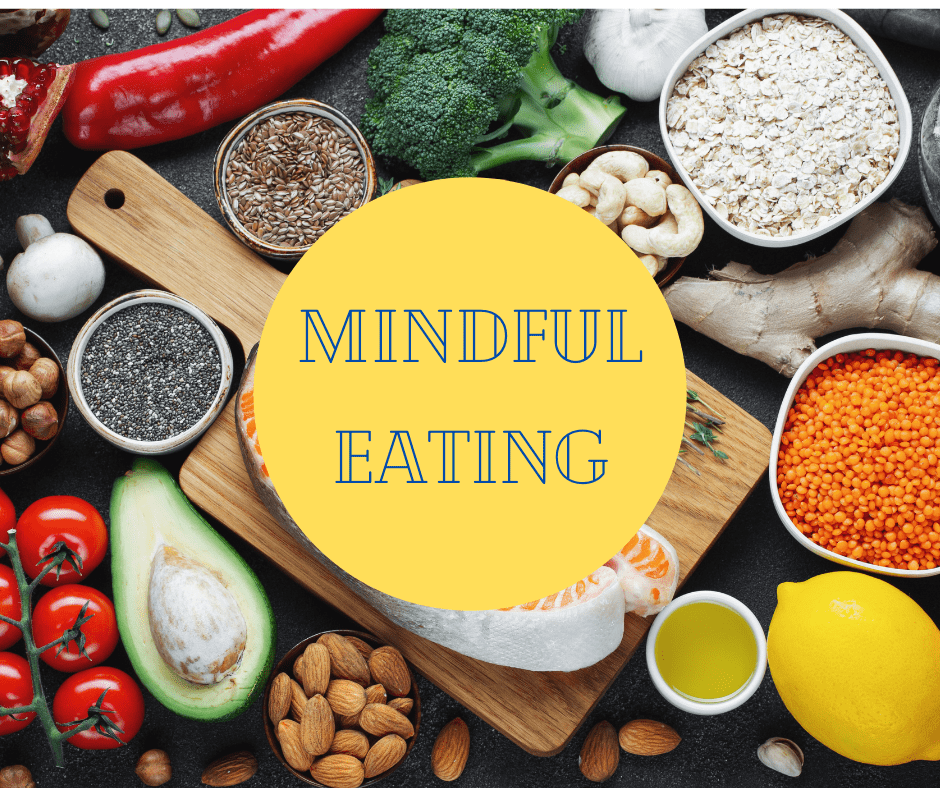
Introduction: In a world obsessed with calorie counting and restrictive diets, it’s easy to lose touch with our body’s natural hunger cues and the joy of eating. Mindful eating isn’t a diet; it’s a practice of bringing awareness and intention to your eating experience. It’s about paying attention to your food, your body, and your emotions, leading to a healthier and more sustainable relationship with what you eat.
- What is Mindful Eating?
- The Art of Conscious Consumption
- Define mindful eating as paying attention to the present moment, without judgment, during the eating experience. Contrast it with distracted eating or emotional eating.
- The Benefits Beyond Weight Loss:
- More Than Just Numbers on a Scale
- Discuss improved digestion, greater satisfaction from meals, reduced overeating, better recognition of hunger/fullness cues, reduced emotional eating, and a more positive body image.
- How to Practice Mindful Eating (Practical Steps):
- Simple Steps to Transform Your Meals
- Eliminate Distractions: Turn off screens, put away phones.
- Engage Your Senses: Notice colors, textures, aromas before tasting.
- Chew Slowly and Thoroughly: Allow time for digestion and satiety signals.
- Listen to Your Body’s Cues: Eat when hungry, stop when satisfied, not stuffed.
- Savor Each Bite: Focus on the flavors and sensations.
- Practice Gratitude: Acknowledge where your food came from.
- Emotional Check-in: Ask yourself, “Am I truly hungry, or am I feeling something else?”
- Simple Steps to Transform Your Meals
Conclusion: Mindful eating is a journey, not a destination. It takes practice and patience, especially in a world that encourages quick fixes. But by cultivating awareness around your food choices and eating habits, you can foster a healthier, more intuitive, and ultimately more enjoyable relationship with nourishment. Start with one meal a day and notice the profound difference it makes.